Financial Inclusion


Whether it is digital payments, resilience for MSMEs or financial integrity, much of our work is underpinned by the desire to create more inclusive financial systems and services. Cenfri has successfully implemented several multi-year financial inclusion programmes:

Our view is that while financial inclusion targets (such as the percentage of adults with a bank account) are valid, they don’t tell you much when tracked in isolation. It is important to understand whether people use their financial services, and if so, whether this enables them to meet their needs. We have developed six financial inclusion measurement frameworks that outline this expanded understanding of financial inclusion.

We are aware of the importance of women’s financial inclusion and apply a gender lens to much of our work. 

Digital Transformation & Data

Making new markets for financial services possible

Financial service providers are becoming increasingly aware of the value of data for financial inclusion. Utilising data and drawing on the power of analytics enables financial service providers to better understand consumers, and thus create products that are more affordable, accessible and appropriate to the needs of the underserved. At

Digital Transformation & Data

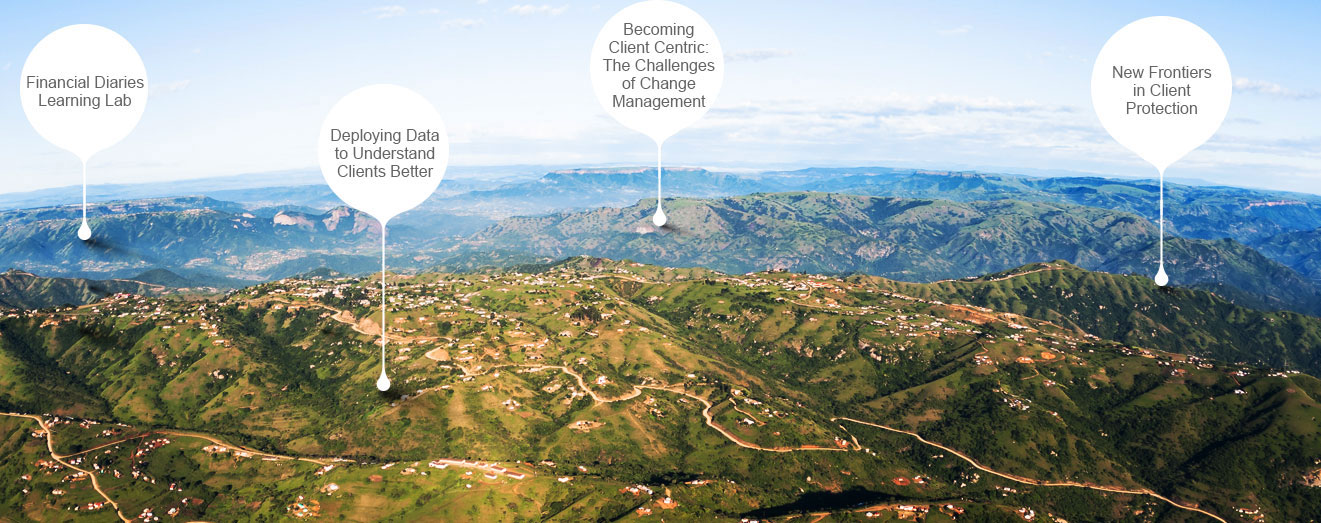
Talking about data in the land of a thousand hills

Data plays an integral role in all aspects of financial inclusion. Over the next two days, it will feature prominently in deepening our understanding of consumers’ needs and behaviour at the 4th MasterCard Foundation Symposium on Financial Inclusion (SoFi) in Kigali, Rwanda. SoFI brings together over 300 stakeholders in financial

Jumping to conclusions
Consumer Outcomes

Jumping to conclusions

Have you heard of the Fosbury Flop? Probably not. But you’d know one if you saw it. It’s the technique that high jumpers use when jumping back-first over high bars, commonly seen at the Olympics. It wasn’t always the accepted way of doing things, of course. Previously, athletes approached the

Digital Transformation & Data

A balancing act

Data has permeated all facets of our lives. It is more available and accessible than ever before. In just a few hours one person can create a multitude of data points from just one mobile device. This is what Gabriel’s* morning looks like: 6:10 am: He logs in to Facebook

Financial Inclusion

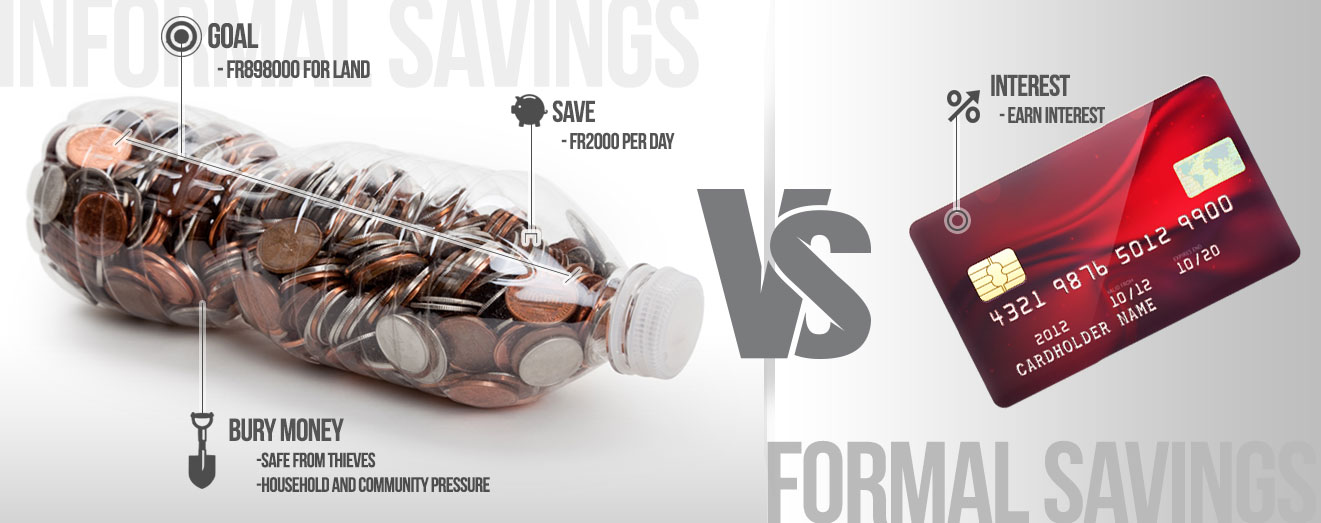
Why a plastic bottle trumps a bank account

Patience, a restaurant owner in Goma in the eastern DRC, has a dream of owning her own land. She saves a modest 2000 Congolese Francs (just less than USD 2) every day. This is no small feat: it requires daily sacrifices and a lot of self-discipline. So she doesn’t tell

Financial Inclusion

"I’ve got your back"

The Democratic Republic of the Congo (DRC) is a country with a volatile history and topography that’s tough to navigate. It’s not the easiest place to live when you consider the risks that you are exposed to on a regular basis. These might include sickness, unemployment, and unexpected expenses, but

Digital Transformation & Data

Building sustainable geospatial data resources

Where we are with the collection and use of GIS data. The purpose of this paper is to present the potential value that geospatial data has for regulators and the sustainability of different data collection methodologies that regulators can drive for GIS. It reviews two recent pilot projects and one ongoing project,

Digital Transformation & Data

GIS4FI i2i Communities of Practice #2

The second gis4FI community of practice knowledge-sharing. In the previous call, community of practice members focused on ways to promote maximum usage of geospatial data and financial access maps by the private sector.  The focus of this second session on 4 February 2016 was on gis4FI country processes and the role of members in