MSMEs, Ecosystems & Economic Opportunity


Improved economic opportunity and more resilient livelihoods are key to sustainable development in emerging markets. Interventions designed to support micro, small and medium-sized businesses (MSMEs), startup ecosystems and more established value-chains need to be effective in unlocking innovation and employment if they are to contribute to economic growth. Cenfri undertakes several areas of related work including:

  • Digital economy diagnostics
  • Support for fintech innovation and research on the platform economy
  • Digital transformation of MSMEs (including innovations in logistics and digital tools for tourism businesses)
  • MSME finance – payments, credit, investment and resilience (rethinking insurance to meet MSME needs and better manage the risks they face)
  • MSME segmentation and the needs of women-owned enterprises
  • Technical assistance to the private sector
  • Scenarios linked to the future of work and food security
Digital Transformation & Data

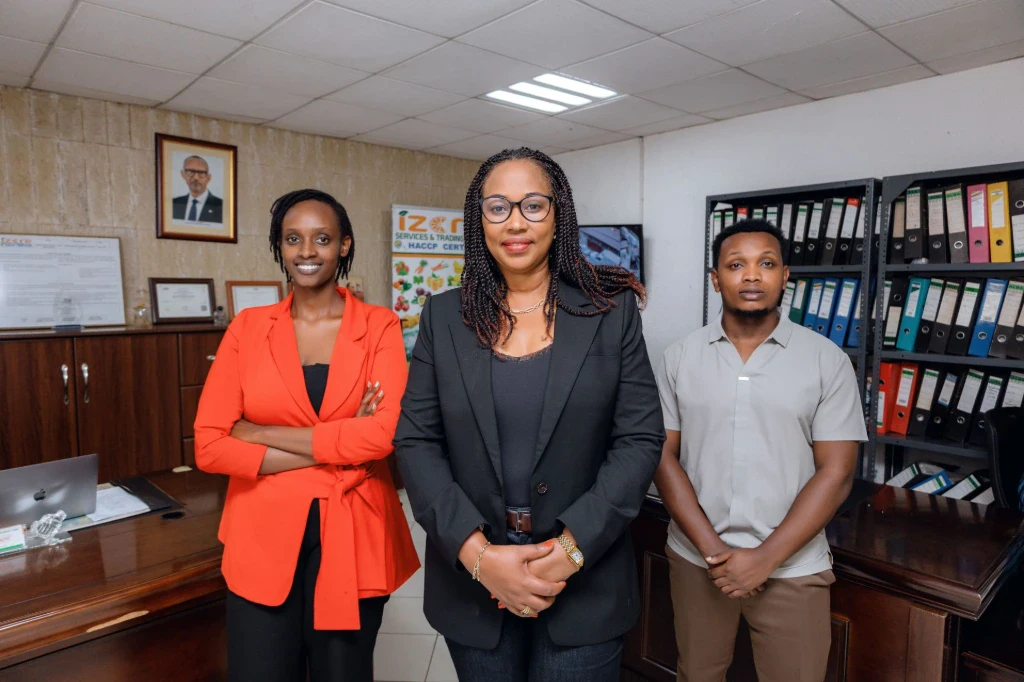
When B2B suppliers go B2C: Lessons from Izere Trading Ltd

How Izere Services and Trading Ltd used discipline, compliance, and digital tools to graduate from a single Rwandan hotel’s backup supplier into a business ready to sell directly to consumers. For most business-to-business (B2B) suppliers, selling directly to individual consumers is not a natural next step. It requires a level

Digital Transformation & Data

How one social entrepreneur uses data to illuminate blind spots in her businesses

When Bella Twizerimana foreclosed on two houses during her time as a bank manager, she made a decision that would eventually reshape a corner of Musanze, Rwanda’s, economy. She couldn’t do it again. Watching people lose their homes through a system she was part of pushed her out of banking

Digital Transformation & Data

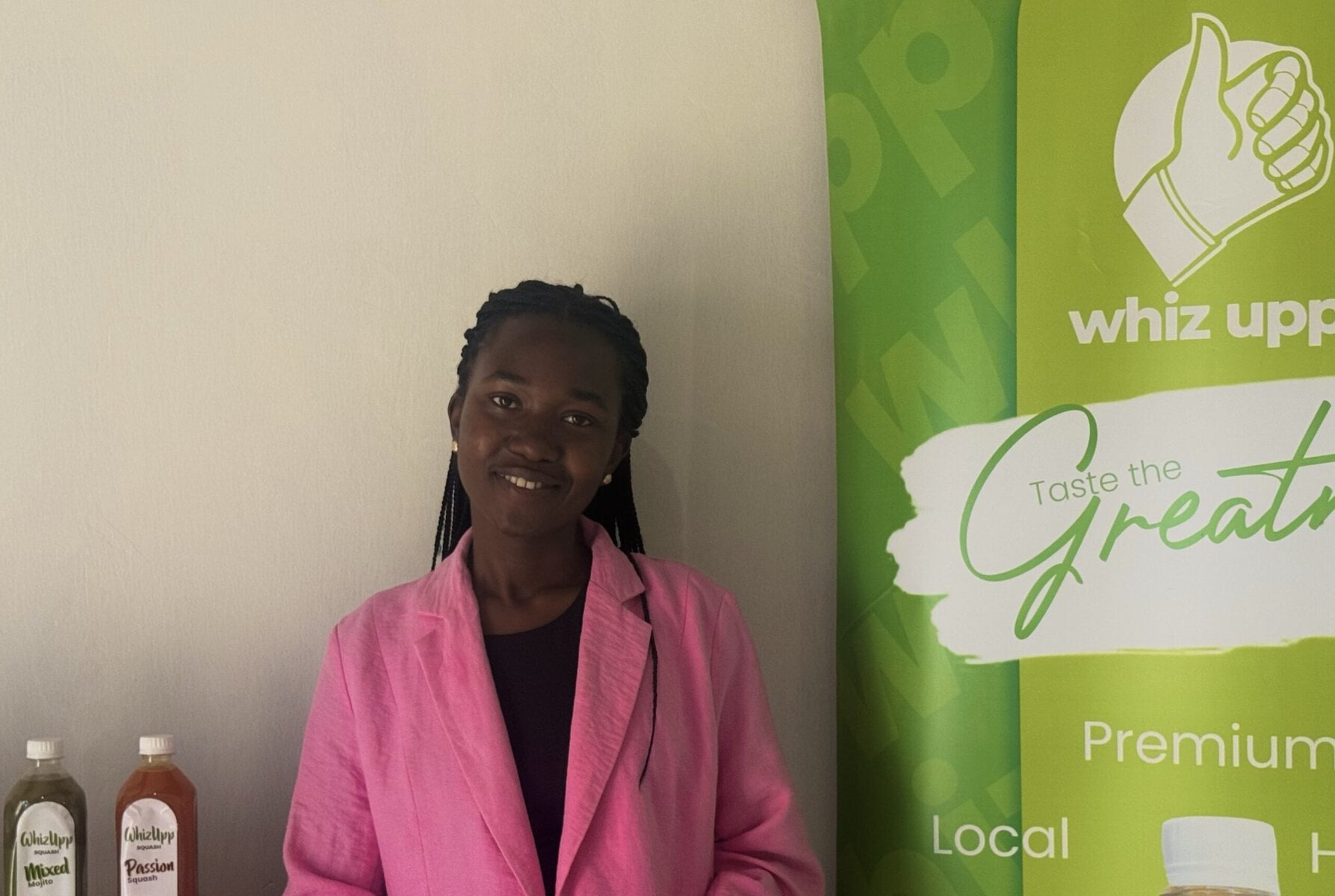
When intuition is not enough: How data transformed Whiz Upp

Hawa Chloe Niyigena built a Rwandan juice company from scratch in her family’s kitchen but transitioning the business from survival to strategy meant learning to trust data over instinct. For years, Niyigena believed passion fruit was the backbone of her juice business. It was consistently moving in high volumes, and

Digital Transformation & Data

How data-driven decisions fueled Ishyo Foods’ growth

Sharon Akanyana’s use of data has lifted Ishyo Foods from startup to scale-up. Ishyo Foods began as a small jam company operating from a home kitchen with just one person at the helm. In eight years, it has grown from producing jam to making yoghurt, scaling up from using about

Consumer Outcomes

Exploring women’s experiences with digital financial services in Africa

This blog series was written as part of GIZ’s Governance of Digital Finance project. Women across Sub-Saharan Africa (SSA) are driving economic growth, with women-led businesses contributing approximately 13% to Africa’s total GDP. Digital financial services (DFS) play a key role in supporting their contributions. However, several challenges continue to

Consumer Outcomes

Why are women more vulnerable to risk in digital financial services?

This blog was written as part of GIZ’s Governance of Digital Finance project. Blog 2 of 3.  In our previous blog, we noted that despite increased access to mobile phones and identity documentation (IDs), women in sub-Saharan Africa remain less likely to hold a formal financial or mobile money account.

Consumer Outcomes

Risk and reality: Digital financial services for women cross-border traders

This blog was written as part of GIZ’s Governance of Digital Finance project. Blog 3 of 3.  Women-owned MSMEs (WMSMEs) create an estimated 18 million jobs across the continent and contribute approximately 13% to Africa’s total GDP. Within the broader WMSME landscape, cross-border trade represents a crucial yet often overlooked

Financial Inclusion

Why are more women in Africa not making use of digital financial services?

This blog was written as part of GIZ’s Governance of Digital Finance project. Blog 1 of 3.  According to the 2025 Findex, women’s account ownership now stands at 77% globally, up from 58% in 2014. This progress matters, as digital financial services (DFS) are shown to enhance women’s economic opportunities

Consumer Outcomes

Making financial systems work for the lived realities of women

Too often, financial systems overlook the lived realities of women, leading to products, policies, and market structures that do not adequately serve them. In an effort to change this, Cenfri applies a gender lens across its financial inclusion and market diagnostics work. We have developed a portfolio of related work