Digital Transformation & Data


Cenfri contributes to building the fundamentals of welfare-enhancing digital economies. We prioritise digital transformation that is inclusive, sustainable, opportunity-creating and has appropriate safeguards. Digital transformation underpins much of our work and ranges from payments digitalisation to digital economy diagnostics, and digital skills assessments to direct digitalisation support.

Cenfri also collaborates with policymakers and other public and private sector stakeholders in data-driven decision-making that is calibrated to the data available and is designed to strengthen the existing skills and data governance processes within these organisations. The Rwanda Economy Digitalisation Programme is our flagship evidence-informed policymaking and data-for-decisions intervention, but we have considerable experience in using evidence to generate insights and inform policymaking and business decision-making with a view to improved economic development outcomes. Our expertise in data, payments and digital identity enables us to contribute to current DPI (digital public infrastructure) conversations.

Governance, Policy & Regulation

Open finance: Learning from early adopters

At the end of November 2024, Cenfri had the opportunity to participate in the BIS Workshop on fostering financial inclusion through open finance in Basel. The event was jointly organised by the Financial Stability Institute (FSI) of the Bank for International Settlements (BIS), CGAP, and the World Bank. It brought

Rwanda Economy Digitalisation Programme

Leading with data governance: Setting the foundation for a data-driven future

As outlined in the discussion on developing a data strategy, the journey to becoming a data-driven organisation begins with a clear vision, practical objectives, and strong frameworks. Data governance plays a critical role in this transformation. Whether or not the data strategy has been finalised, the responsibility to protect and

Rwanda Economy Digitalisation Programme

Developing an organisational data strategy

To enhance the use of data for decision-making, it is important to develop not only individual data skills but also institutions that have embarked on a journey to data maturity. This note provides some guidance on the key components of an institutional data strategy and a summary of the core

Consumer Outcomes

7 Lessons from 2024

Our work at Cenfri rarely follows the typical rhythms of the calendar year, yet, as 2024 draws to a close, we thought it would be good to reflect on what we’ve achieved. It’s been a busy few months: we’ve worked on around 50 projects and undertaken work-related travel to 19

Rwanda Economy Digitalisation Programme

Data fellows pumped to help government catalyse data use

Data can be used to improve policy decisions as well as to better understand the outcome of decisions taken. To enable this, policymakers need access to a spectrum of data that has been appropriately collected, cleaned, stored and analysed. And so, in phase 1 of the Rwanda Economy Digitalisation Programme,

Digital Transformation & Data

Open finance in Africa: The why and the how for context-appropriate implementation

The promise of open finance has led to a rapid proliferation in countries exploring implementation globally. However, it also comes with costs and risks — particularly as highly sensitive personal information is being made shareable. For African regulators and policymakers, open finance is an important emerging trend that requires a


Digital Transformation & Data

A pocket guide to navigating the structure of the G20

On 1 December 2024, South Africa will take over the G20 presidency. This is a fantastic opportunity for Africa. In his recent Troika high-level address at the United Nations (UN), International Relations and Cooperation Minister Ronald Lamola, announced that South Africa’s presidency will prioritise the Global South, particularly the African

Rwanda Economy Digitalisation Programme

Digitisation of government services in Rwanda: Lessons from the data

Rwanda has set ambitious goals to transition from an agrarian economy to a knowledge-based one by 2050. This is operationalised through initiatives like the Smart Rwanda Master Plan. The dream is to make Rwanda the digital hub of Africa, and a key focus is the digitisation of government services through

Digital Transformation & Data

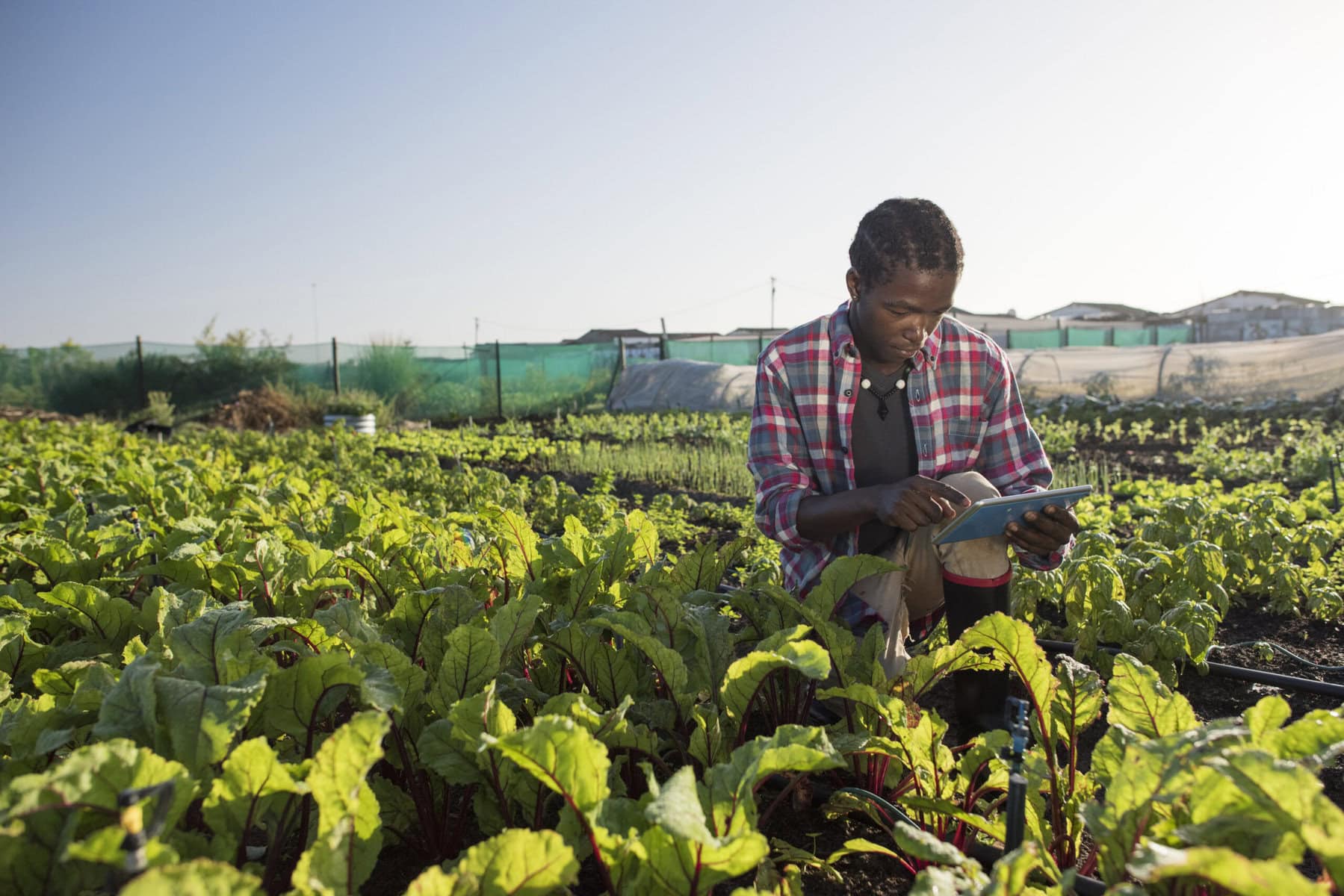
Leveraging agricultural data for more effective policymaking

Policymakers are challenged to develop policies that will have a positive social impact. For instance, input subsidies for farmers have been widely used as a mechanism to alleviate poverty in rural areas, targeting smallholder farmers. But how can policymakers be sure they are achieving the intended objectives of the policy?