MSMEs, Ecosystems & Economic Opportunity


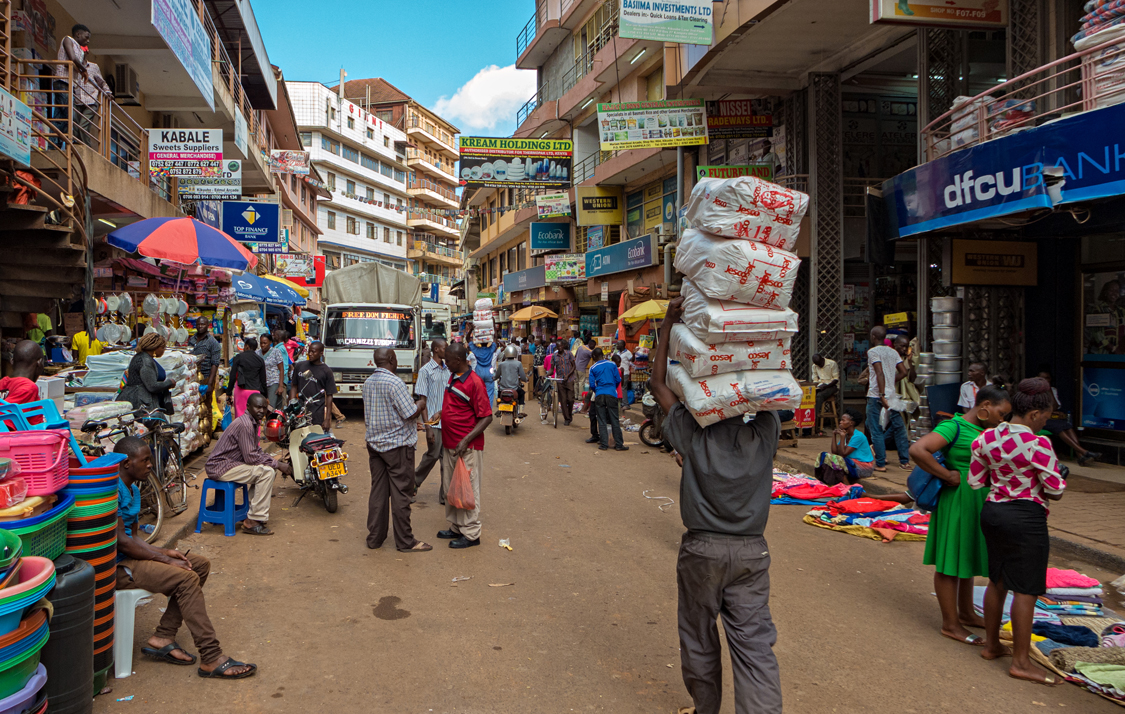
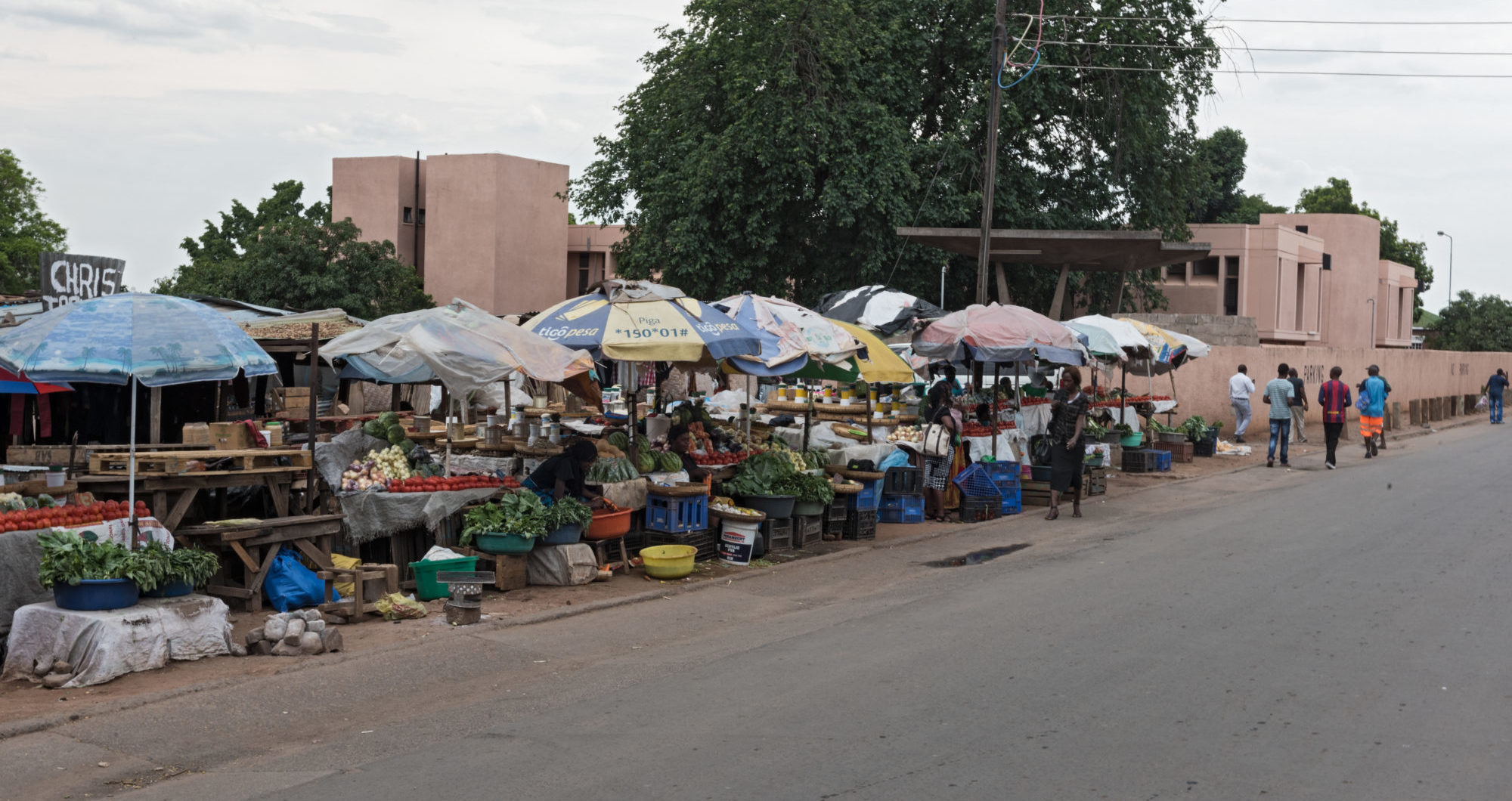
Improved economic opportunity and more resilient livelihoods are key to sustainable development in emerging markets. Interventions designed to support micro, small and medium-sized businesses (MSMEs), startup ecosystems and more established value-chains need to be effective in unlocking innovation and employment if they are to contribute to economic growth. Cenfri undertakes several areas of related work including:

Digital economy diagnostics
Support for fintech innovation and research on the platform economy
Digital transformation of MSMEs (including innovations in logistics and digital tools for tourism businesses)
MSME finance – payments, credit, investment and resilience (rethinking insurance to meet MSME needs and better manage the risks they face)
MSME segmentation
Technical assistance to the private sector
Scenarios linked to the future of work and food security

ustomer due diligence and know-your-customer for Covid19 recovery
Digital Transformation & Data

Smart business intelligence: MYAccounts case study

Micro, small and medium-sized enterprises (MSMEs) play a key role in economic development, but they face challenges in accessing finance. In Uganda alone (as in most other sub-Saharan African countries), MSMEs account for approximately 90% of private-sector production, over 80% of manufactured output and 18% of GDP contribution (National Small Business Survey of Uganda, 2015; Ministry of Trade,
Read More »
Financial Inclusion

Diving into the data

Micro, small, and medium-sized enterprises (MSMEs) are recognised globally as a major engine of growth and employment creation. Access to finance is their most commonly cited barrier to growth. The IFC estimates that there are between 200 and 245 million formal and informal MSMEs in developing countries that do not

Read More »
remittance
Financial Inclusion

Zimbabwe-Johannesburg remittance corridor

Zimbabwe is heavily reliant on remittance flows from South Africa and particularly Johannesburg. As many Zimbabweans are undocumented, they cannot access formal channels for money transfers. This 2009 study was commissioned to sketch a picture of the remittances landscape in the Johannesburg-Zimbabwe corridor. The aim was to build an understanding

Read More »
ustomer due diligence and know-your-customer for Covid19 recovery
Digital Transformation & Data

Smart business intelligence: MYAccounts case study

Micro, small and medium-sized enterprises (MSMEs) play a key role in economic development, but they face challenges in accessing finance. In Uganda alone (as in most other sub-Saharan African countries), MSMEs account for approximately 90% of private-sector production, over 80% of manufactured output and 18% of GDP contribution (National Small Business Survey of Uganda, 2015; Ministry of Trade,

Financial Inclusion

Diving into the data

Micro, small, and medium-sized enterprises (MSMEs) are recognised globally as a major engine of growth and employment creation. Access to finance is their most commonly cited barrier to growth. The IFC estimates that there are between 200 and 245 million formal and informal MSMEs in developing countries that do not

remittance
Financial Inclusion

Zimbabwe-Johannesburg remittance corridor

Zimbabwe is heavily reliant on remittance flows from South Africa and particularly Johannesburg. As many Zimbabweans are undocumented, they cannot access formal channels for money transfers. This 2009 study was commissioned to sketch a picture of the remittances landscape in the Johannesburg-Zimbabwe corridor. The aim was to build an understanding