MSMEs, Ecosystems & Economic Opportunity


Improved economic opportunity and more resilient livelihoods are key to sustainable development in emerging markets. Interventions designed to support micro, small and medium-sized businesses (MSMEs), startup ecosystems and more established value-chains need to be effective in unlocking innovation and employment if they are to contribute to economic growth. Cenfri undertakes several areas of related work including:

Digital economy diagnostics
Support for fintech innovation and research on the platform economy
Digital transformation of MSMEs (including innovations in logistics and digital tools for tourism businesses)
MSME finance – payments, credit, investment and resilience (rethinking insurance to meet MSME needs and better manage the risks they face)
MSME segmentation
Technical assistance to the private sector
Scenarios linked to the future of work and food security

Digital Transformation & Data

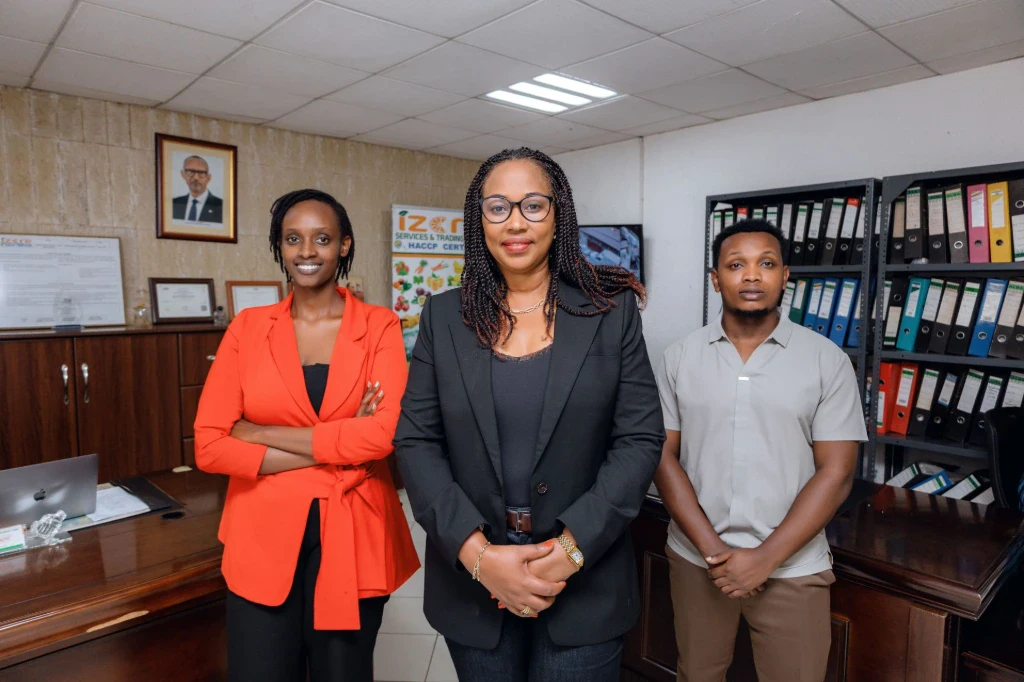
How data-driven decisions fueled Ishyo Foods’ growth

Sharon Akanyana’s use of data has lifted Ishyo Foods from startup to scale-up. Ishyo Foods began as a small jam company operating from a home kitchen with just one person at the helm. In eight years, it has grown from producing jam to making yoghurt, scaling up from using about

Read More »
Consumer Outcomes

Exploring women’s experiences with digital financial services in Africa

This blog series was written as part of GIZ’s Governance of Digital Finance project. Women across Sub-Saharan Africa (SSA) are driving economic growth, with women-led businesses contributing approximately 13% to Africa’s total GDP. Digital financial services (DFS) play a key role in supporting their contributions. However, several challenges continue to

Read More »
Consumer Outcomes

Why are women more vulnerable to risk in digital financial services?

This blog was written as part of GIZ’s Governance of Digital Finance project. Blog 2 of 3.  In our previous blog, we noted that despite increased access to mobile phones and identity documentation (IDs), women in sub-Saharan Africa remain less likely to hold a formal financial or mobile money account.

Read More »
Consumer Outcomes

Risk and reality: Digital financial services for women cross-border traders

This blog was written as part of GIZ’s Governance of Digital Finance project. Blog 3 of 3.  Women-owned MSMEs (WMSMEs) create an estimated 18 million jobs across the continent and contribute approximately 13% to Africa’s total GDP. Within the broader WMSME landscape, cross-border trade represents a crucial yet often overlooked

Read More »
Consumer Outcomes

Making financial systems work for the lived realities of women

Too often, financial systems overlook the lived realities of women, leading to products, policies, and market structures that do not adequately serve them. In an effort to change this, Cenfri applies a gender lens across its financial inclusion and market diagnostics work. We have developed a portfolio of related work

Read More »
Consumer Outcomes

Looking back at 2025 and forward to 2026

For those in development, 2025 has been a bit of a wild ride and many organisations have been doing some introspection. The team at Cenfri has been thinking about how we can continue to pursue evidence-driven impact, financial independence and sustainability with an inspired, capable and purpose-driven team (our enduring

Read More »
Financial Inclusion

Diverse paths: Finance for women’s nano and micro enterprises

Women-led nano and micro enterprises (WNMEs) are central to local economies and household livelihoods, yet they remain underserved by mainstream financial systems. This new CGAP report, Diverse Paths: Finance for Women’s Nano and Micro Enterprises, draws on research from India, Kenya, and Uganda to explore the structural and financial barriers

Read More »
MSMEs, Ecosystems & Economic Opportunity

Testing how digitalisation could transform MSMEs in Rwanda

Micro, Small and Medium Enterprises (MSMEs) account for 98 percent of all businesses in Rwanda, employing over 2.5 million people according to the Ministry of Trade and Industry. However, despite increased business digitalisation globally, the digital journey of many MSMEs in Rwanda is still fragmented, potentially inhibiting their growth. While

Read More »
Consumer Outcomes

7 Lessons from 2024

Our work at Cenfri rarely follows the typical rhythms of the calendar year, yet, as 2024 draws to a close, we thought it would be good to reflect on what we’ve achieved. It’s been a busy few months: we’ve worked on around 50 projects and undertaken work-related travel to 19

Read More »
Digital Transformation & Data

How data-driven decisions fueled Ishyo Foods’ growth

Sharon Akanyana’s use of data has lifted Ishyo Foods from startup to scale-up. Ishyo Foods began as a small jam company operating from a home kitchen with just one person at the helm. In eight years, it has grown from producing jam to making yoghurt, scaling up from using about

Consumer Outcomes

Exploring women’s experiences with digital financial services in Africa

This blog series was written as part of GIZ’s Governance of Digital Finance project. Women across Sub-Saharan Africa (SSA) are driving economic growth, with women-led businesses contributing approximately 13% to Africa’s total GDP. Digital financial services (DFS) play a key role in supporting their contributions. However, several challenges continue to

Consumer Outcomes

Why are women more vulnerable to risk in digital financial services?

This blog was written as part of GIZ’s Governance of Digital Finance project. Blog 2 of 3.  In our previous blog, we noted that despite increased access to mobile phones and identity documentation (IDs), women in sub-Saharan Africa remain less likely to hold a formal financial or mobile money account.

Consumer Outcomes

Risk and reality: Digital financial services for women cross-border traders

This blog was written as part of GIZ’s Governance of Digital Finance project. Blog 3 of 3.  Women-owned MSMEs (WMSMEs) create an estimated 18 million jobs across the continent and contribute approximately 13% to Africa’s total GDP. Within the broader WMSME landscape, cross-border trade represents a crucial yet often overlooked

Financial Inclusion

Why are more women in Africa not making use of digital financial services?

This blog was written as part of GIZ’s Governance of Digital Finance project. Blog 1 of 3.  According to the 2025 Findex, women’s account ownership now stands at 77% globally, up from 58% in 2014. This progress matters, as digital financial services (DFS) are shown to enhance women’s economic opportunities

Consumer Outcomes

Making financial systems work for the lived realities of women

Too often, financial systems overlook the lived realities of women, leading to products, policies, and market structures that do not adequately serve them. In an effort to change this, Cenfri applies a gender lens across its financial inclusion and market diagnostics work. We have developed a portfolio of related work

Consumer Outcomes

Looking back at 2025 and forward to 2026

For those in development, 2025 has been a bit of a wild ride and many organisations have been doing some introspection. The team at Cenfri has been thinking about how we can continue to pursue evidence-driven impact, financial independence and sustainability with an inspired, capable and purpose-driven team (our enduring

Financial Inclusion

Diverse paths: Finance for women’s nano and micro enterprises

Women-led nano and micro enterprises (WNMEs) are central to local economies and household livelihoods, yet they remain underserved by mainstream financial systems. This new CGAP report, Diverse Paths: Finance for Women’s Nano and Micro Enterprises, draws on research from India, Kenya, and Uganda to explore the structural and financial barriers

MSMEs, Ecosystems & Economic Opportunity

Testing how digitalisation could transform MSMEs in Rwanda

Micro, Small and Medium Enterprises (MSMEs) account for 98 percent of all businesses in Rwanda, employing over 2.5 million people according to the Ministry of Trade and Industry. However, despite increased business digitalisation globally, the digital journey of many MSMEs in Rwanda is still fragmented, potentially inhibiting their growth. While

Consumer Outcomes

7 Lessons from 2024

Our work at Cenfri rarely follows the typical rhythms of the calendar year, yet, as 2024 draws to a close, we thought it would be good to reflect on what we’ve achieved. It’s been a busy few months: we’ve worked on around 50 projects and undertaken work-related travel to 19