Consumer Outcomes


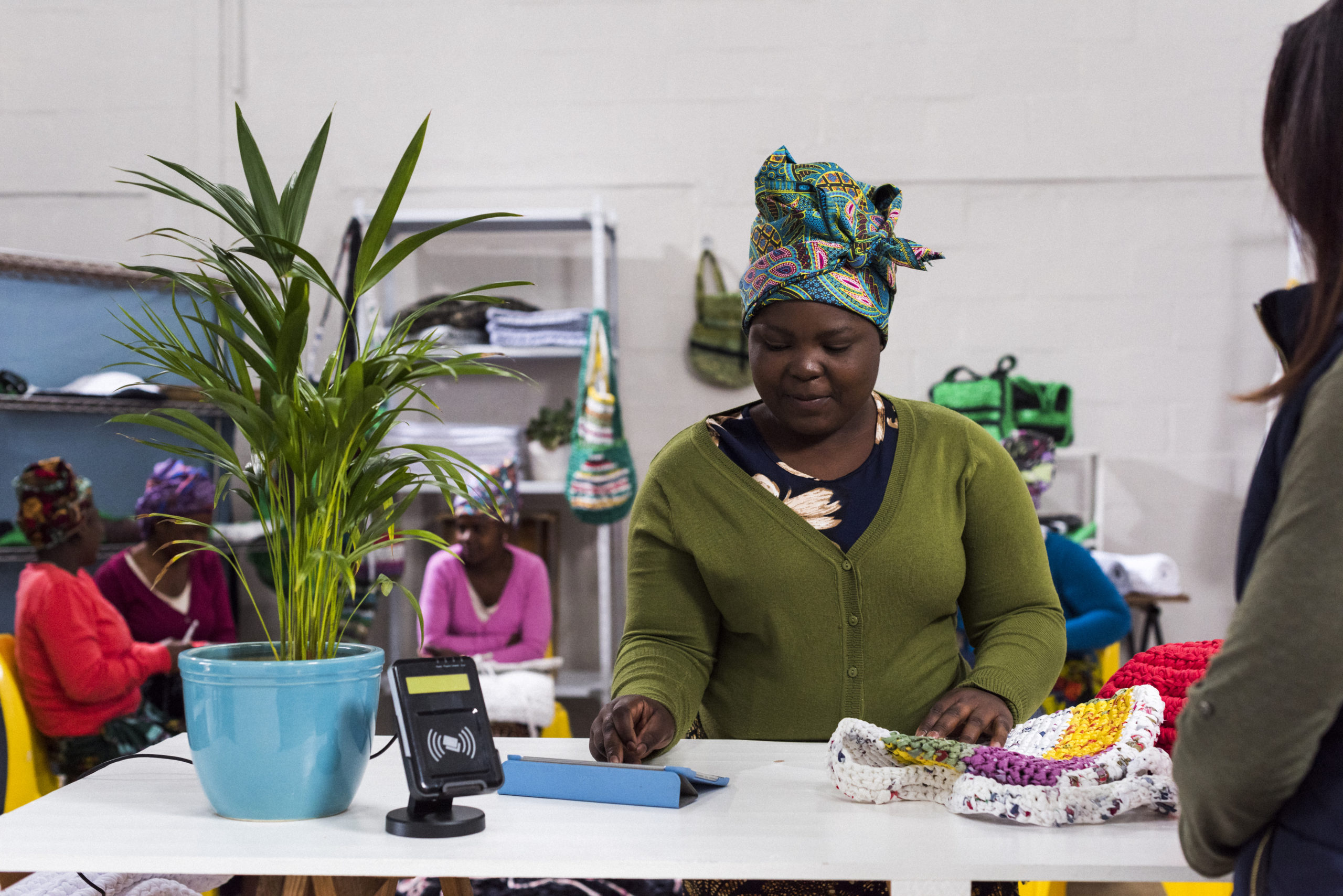
A financial sector that works for consumers has a suite of products and features that are suitable to consumers’ needs, are safe from cybercrime and that protect consumers’ privacy. Ideally, empowered consumers exercise an informed choice, understand the information disclosed to them, and have their voice heard in their interaction with financial services providers and agents.

The reality is often different. Cenfri’s consumer outcomes work aims to bridge the gap. We have worked with Consumers International, CGAP, GIZ, FSD Kenya, FSCA South Africa and the SADC Secretariat. Our track record includes policy briefs, regional consumer protection guidelines, financial inclusion measurement, measurement of consumer outcomes, and country-level consumer protection technical assistance.

We also have a significant body of work on behavioural science and its application in the financial sector.


Resilience & Insurance

5 lessons for designing fit-for-purpose health microinsurance

Gakere is a 49-year-old mechanic from Nairobi, and like 77% of adults in Kenya, he does not have National Hospital Insurance Fund (NHIF) or private health insurance. “If I fall sick, I treat myself. As you can see I do very strenuous jobs and someone who does not have good

Consumer Outcomes

Revealing the consumer experience of digital finance in low- and middle-income countries

Consumers face several frustrations with the potential to affect their experience of digital financial services. These include system glitches, inappropriate design, fraud, cybercrime, data breaches, opaque pricing, and more. The Digital finance: The consumer experience, 2023 report, which Cenfri developed for Consumers International, provides an assessment of the scale of

Governance, Policy & Regulation

Consumer protection in digital finance

The authors of this report would like to acknowledge the support of the International Dialogue on Consumer Protection in Context of the SDGs, coordinated by GIZ.  Consumer protection in digital financial services is important for sustainable development. The digitalisation of commerce and financial services has positively contributed to sustainable development

Digital Transformation & Data

Why doesn’t Kinyarwanda have a word for “Data”?

Data is the fuel on which the information economy runs; it has allowed businesses like Google, Facebook, Netflix, Amazon and others to grow exponentially by providing their customers with customized content and tailored services. Many companies now use data analytics and its derivatives, machine learning and AI, to understand their

Digital Transformation & Data

Applying a gender lens to trade finance

Small and medium enterprises (SMEs) are considered engines of economic growth and development, especially in developing economies, yet they continue to be disproportionately rejected from trade finance. However, there is evidence that this barrier is not impacting all SMEs the same: women owned SMEs are more likely to be rejected

Consumer Outcomes

Encouraging the uptake of health insurance through SMS communication

How to seed connections with customers through SMS and DMs  The last two decades have seen extraordinary growth in digital connectivity, particularly due to the growth in mobile technologies. In sub-Saharan Africa (SSA), for example, 93% of the population had mobile cellular subscriptions in 2020, up from 76% in 2015

Unlocking the digital economy in Senegal
Resilience & Insurance

The role of women and finance in climate action

A changing climate affects everyone, but it’s the world’s poorest and most vulnerable, predominantly women and girls, who bear the brunt of environmental, economic and social shocks (IPCC, 2022a). For example, figures from the United Nations show that 80% of people displaced by climate change are women (Halton, 2018). There

Digital Transformation & Data

Practice what you preach: Giving consumers a say in consumer protection

New and proposed financial regulations, such as South Africa’s Pension Funds Amendment Bill, often make headline news because of their wide-reaching and often controversial impact. Financial regulations such as these underpin the financial system and have direct implications for consumers and how they engage with financial services. Whether the focus

Unlocking the digital economy in Senegal
Digital Transformation & Data

Unlocking the digital economy in Senegal

The Mastercard Foundation has set an objective to enable 30 million young Africans, especially women, to secure employment that they see as dignified and fulfilling by 2030. In Senegal, MCF aims to create dignified and fulfilling work for 3 million young people over the coming decade.  This study aimed to understand the