Financial Inclusion


Whether it is digital payments, resilience for MSMEs or financial integrity, much of our work is underpinned by the desire to create more inclusive financial systems and services. Cenfri has successfully implemented several multi-year financial inclusion programmes:

Making Access to Financial Services Possible or MAP (in partnership with UNCDF and FinMark Trust)
insight2impact or i2i (in partnership with the Bill & Melinda Gates Foundation and the Mastercard Foundation)
Risk, Remittances and Integrity or RRI (with FSD Africa)
Remittance Access Initiative (with IFAD’s Financing Facility for Remittances)

Our view is that while financial inclusion targets (such as the percentage of adults with a bank account) are valid, they don’t tell you much when tracked in isolation. It is important to understand whether people use their financial services, and if so, whether this enables them to meet their needs. We have developed six financial inclusion measurement frameworks that outline this expanded understanding of financial inclusion.

We acknowledge the importance of women’s financial inclusion and apply a gender lens to much of our work.

Financial Inclusion

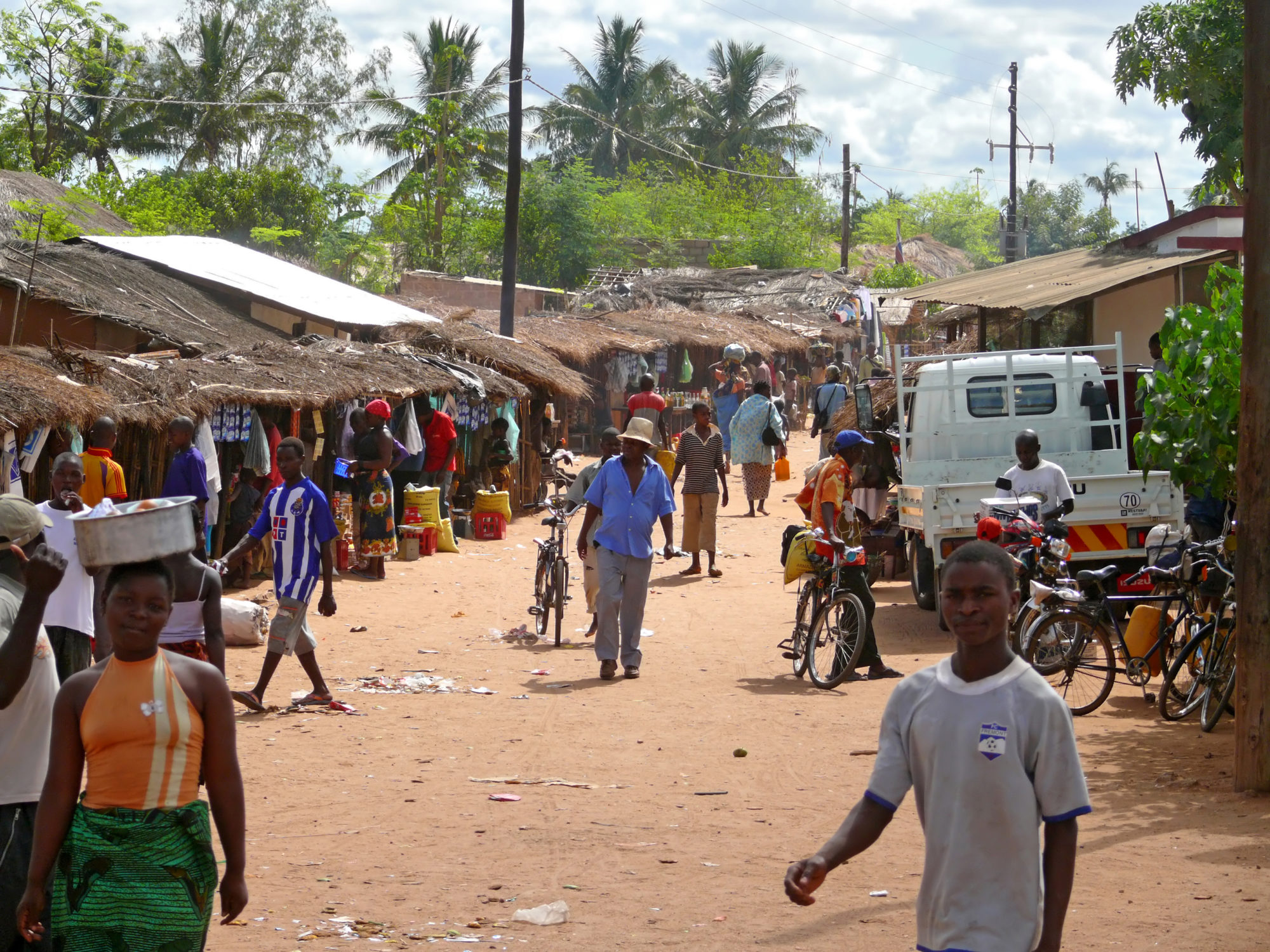
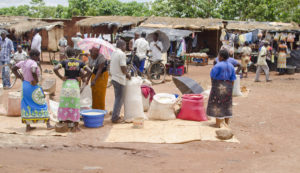
Mapping the retail payment services landscape in Mozambique

41.14% of the adult population Mozambique has either never heard of a bank (22.5%) or does not know what it is (18.9%). There still remains a long way to go before electronic payments become part of daily life for most Mozambicans. This 2012 study analysed the country context, demand, supply
Read More »
Financial Inclusion

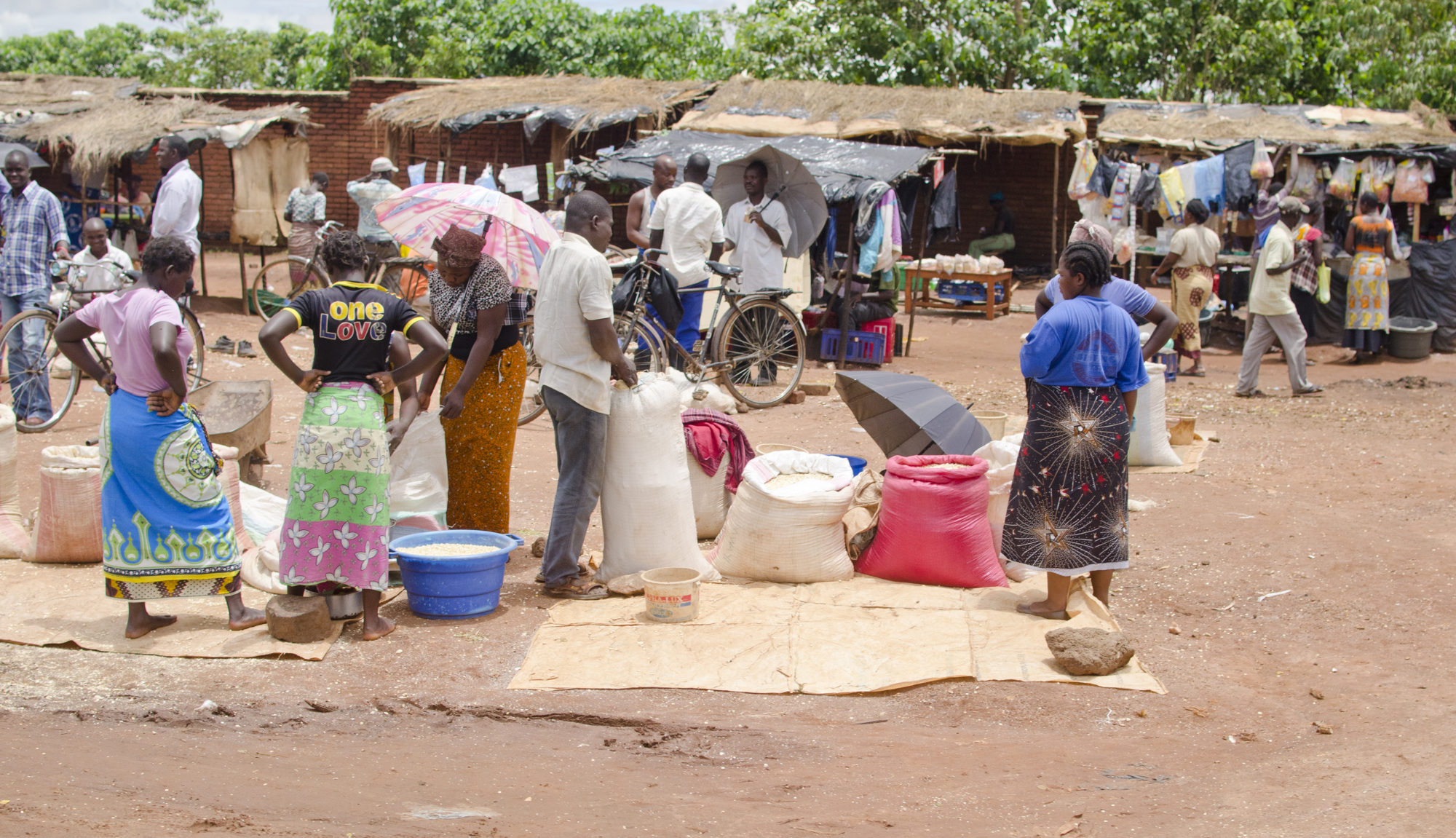
Mapping the retail payment services landscape in Malawi

In Malawi, 81% of people do not have access to formal payment services or mobile phones. Few financial institutions (public or private) actively pursue the unbanked market through technology and new distribution channels. This 2012 study analysed the country context, demand, supply and regulatory framework for payment services in Malawi

Read More »
Financial Inclusion

The South African market for hospital cash plan insurance

In 2012, there were estimated to be between 1 and 1.5 million hospital cash plan (HCP) policies in effect in South Africa, with total lives covered estimated to be 2.4 million people. The market is relatively large and rapidly growing with an estimated 50,000 new policies sold every month This

Read More »
Financial Inclusion

Opportunities for insurance inclusion in Nigeria

In 2011, insurance reach in Nigeria was extremely low and the market was plagued by a number of challenges, many of them relating to distribution. The reach of the insurance market was limited to the higher-income, formally-employed male market and even those who were supposed to have compulsory insurance (e.g.

Read More »
Financial Inclusion

The South Africa-SADC remittance channel

In 2012, it was estimated that 3.3m SADC migrant workers in South Africa sent around R11.2 billion home each year; R7.6 billion of which is estimated to flow through informal channels such as sending cash with a bus or taxi driver. The sheer volume of cross-border remittance flows and the

Read More »
Financial Inclusion

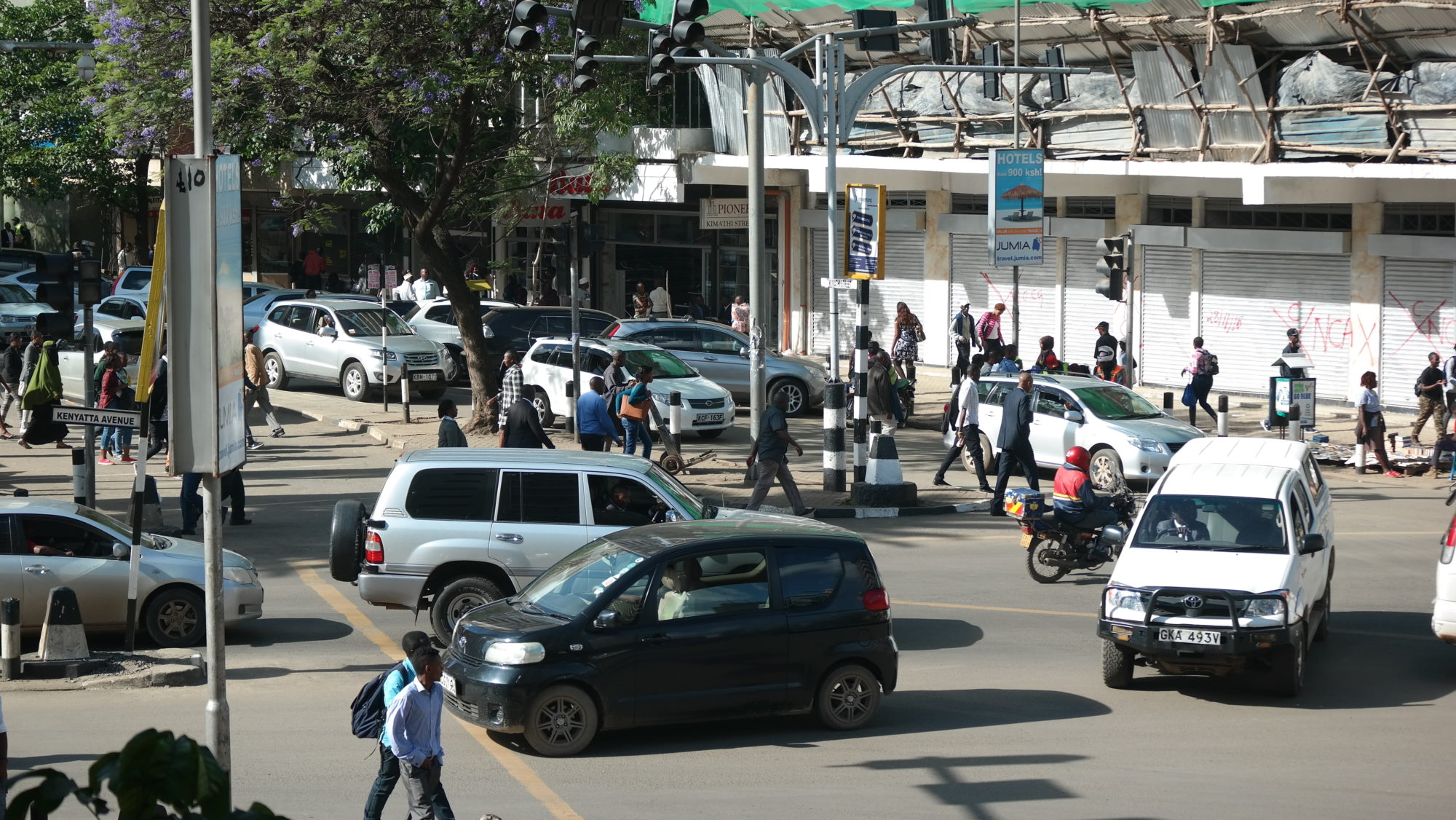
Kenya’s microinsurance landscape

In 2010, conservative estimates of the voluntary microinsurance market was 150,000-200,000 policyholders, but if formal credit life insurance policies are added to this number, the estimate increases to 650,000-700,000 users (3% of the Kenyan adult population). If only 1 million M-PESA users and 1 million Kenyans with bank accounts who

Read More »
Financial Inclusion

Conservative compliance behaviour in South Africa

The quest for inclusive financial markets is a challenge for both business and regulatory models as it requires new and largely unknown portions of the market to be served. This quest can at times be frustrated by regulatory barriers to inclusion that make it costly to provide financial services to

Read More »
Financial Inclusion

Mzansi and Zimele product standards in South Africa

Insurance usage in South Africa has for a long time been out of reach of the majority of the low-income population. In 2004, the FinScope survey of financial services usage reported that only 13% of the country’s low-income population had at least one long-term insurance product. The usage figure for

Read More »
Financial Inclusion

Funeral insurance

Funeral insurance is not just insurance business as usual and requires a dedicated understanding of the dynamics driving funeral insurance markets. This applies to both insurers seeking to effectively target and distribute it, as well as for regulators seeking to find the right regulatory approach to it. Published by ILO

Read More »
Financial Inclusion

Swaziland’s microinsurance landscape

Microinsurance (or insurance in general) may not be affordable to all Swazis. Below a certain income threshold, non-market interventions such as public social safety nets can play the role of insurance. With this in mind, the market opportunity for microinsurance in Swaziland is estimated to stand at about 633,000 people.

Read More »
Financial Inclusion

Mapping the retail payment services landscape in Mozambique

41.14% of the adult population Mozambique has either never heard of a bank (22.5%) or does not know what it is (18.9%). There still remains a long way to go before electronic payments become part of daily life for most Mozambicans. This 2012 study analysed the country context, demand, supply

Financial Inclusion

Mapping the retail payment services landscape in Malawi

In Malawi, 81% of people do not have access to formal payment services or mobile phones. Few financial institutions (public or private) actively pursue the unbanked market through technology and new distribution channels. This 2012 study analysed the country context, demand, supply and regulatory framework for payment services in Malawi

Financial Inclusion

The South African market for hospital cash plan insurance

In 2012, there were estimated to be between 1 and 1.5 million hospital cash plan (HCP) policies in effect in South Africa, with total lives covered estimated to be 2.4 million people. The market is relatively large and rapidly growing with an estimated 50,000 new policies sold every month This

Financial Inclusion

Opportunities for insurance inclusion in Nigeria

In 2011, insurance reach in Nigeria was extremely low and the market was plagued by a number of challenges, many of them relating to distribution. The reach of the insurance market was limited to the higher-income, formally-employed male market and even those who were supposed to have compulsory insurance (e.g.

Financial Inclusion

The South Africa-SADC remittance channel

In 2012, it was estimated that 3.3m SADC migrant workers in South Africa sent around R11.2 billion home each year; R7.6 billion of which is estimated to flow through informal channels such as sending cash with a bus or taxi driver. The sheer volume of cross-border remittance flows and the

Financial Inclusion

Kenya’s microinsurance landscape

In 2010, conservative estimates of the voluntary microinsurance market was 150,000-200,000 policyholders, but if formal credit life insurance policies are added to this number, the estimate increases to 650,000-700,000 users (3% of the Kenyan adult population). If only 1 million M-PESA users and 1 million Kenyans with bank accounts who

Financial Inclusion

Conservative compliance behaviour in South Africa

The quest for inclusive financial markets is a challenge for both business and regulatory models as it requires new and largely unknown portions of the market to be served. This quest can at times be frustrated by regulatory barriers to inclusion that make it costly to provide financial services to

Financial Inclusion

Mzansi and Zimele product standards in South Africa

Insurance usage in South Africa has for a long time been out of reach of the majority of the low-income population. In 2004, the FinScope survey of financial services usage reported that only 13% of the country’s low-income population had at least one long-term insurance product. The usage figure for

Financial Inclusion

Funeral insurance

Funeral insurance is not just insurance business as usual and requires a dedicated understanding of the dynamics driving funeral insurance markets. This applies to both insurers seeking to effectively target and distribute it, as well as for regulators seeking to find the right regulatory approach to it. Published by ILO

Financial Inclusion

Swaziland’s microinsurance landscape

Microinsurance (or insurance in general) may not be affordable to all Swazis. Below a certain income threshold, non-market interventions such as public social safety nets can play the role of insurance. With this in mind, the market opportunity for microinsurance in Swaziland is estimated to stand at about 633,000 people.