MSMEs, Ecosystems & Economic Opportunity


Improved economic opportunity and more resilient livelihoods are key to sustainable development in emerging markets. Interventions designed to support micro, small and medium-sized businesses (MSMEs), startup ecosystems and more established value-chains need to be effective in unlocking innovation and employment if they are to contribute to economic growth. Cenfri undertakes several areas of related work including:

  • Digital economy diagnostics
  • Support for fintech innovation and research on the platform economy
  • Digital transformation of MSMEs (including innovations in logistics and digital tools for tourism businesses)
  • MSME finance – payments, credit, investment and resilience (rethinking insurance to meet MSME needs and better manage the risks they face)
  • MSME segmentation and the needs of women-owned enterprises
  • Technical assistance to the private sector
  • Scenarios linked to the future of work and food security
Consumer Outcomes

Looking back at 2025 and forward to 2026

For those in development, 2025 has been a bit of a wild ride and many organisations have been doing some introspection. The team at Cenfri has been thinking about how we can continue to pursue evidence-driven impact, financial independence and sustainability with an inspired, capable and purpose-driven team (our enduring

Financial Inclusion

Diverse paths: Finance for women’s nano and micro enterprises

Women-led nano and micro enterprises (WNMEs) are central to local economies and household livelihoods, yet they remain underserved by mainstream financial systems. This new CGAP report, Diverse Paths: Finance for Women’s Nano and Micro Enterprises, draws on research from India, Kenya, and Uganda to explore the structural and financial barriers

MSMEs, Ecosystems & Economic Opportunity

Testing how digitalisation could transform MSMEs in Rwanda

Micro, Small and Medium Enterprises (MSMEs) account for 98 percent of all businesses in Rwanda, employing over 2.5 million people according to the Ministry of Trade and Industry. However, despite increased business digitalisation globally, the digital journey of many MSMEs in Rwanda is still fragmented, potentially inhibiting their growth. While

Consumer Outcomes

7 Lessons from 2024

Our work at Cenfri rarely follows the typical rhythms of the calendar year, yet, as 2024 draws to a close, we thought it would be good to reflect on what we’ve achieved. It’s been a busy few months: we’ve worked on around 50 projects and undertaken work-related travel to 19

MSMEs, Ecosystems & Economic Opportunity

Toolkit: Implementing a data-driven approach to MSME insurance

Despite their potential contribution to economic growth, MSMEs face a variety of risks that hinder their ability to operate and grow. Insurance providers play a critical role in helping MSMEs manage these risks, yet this segment remains significantly underserved. To bridge this gap, insurers must move beyond generic, one-size-fits-all products

MSMEs, Ecosystems & Economic Opportunity

Bridging the Gap: Unpacking segmentation approaches and the MSE landscape in Kenya, Uganda and India

Micro and Small Enterprises (MSEs) are crucial drivers of economic growth in emerging markets, yet there is a persistent financing gap that restricts their access to essential capital. This financing challenge affects their ability to scale, manage cash flow, and build resilience against economic shocks, stifling both growth and sustainability. One

MSMEs, Ecosystems & Economic Opportunity

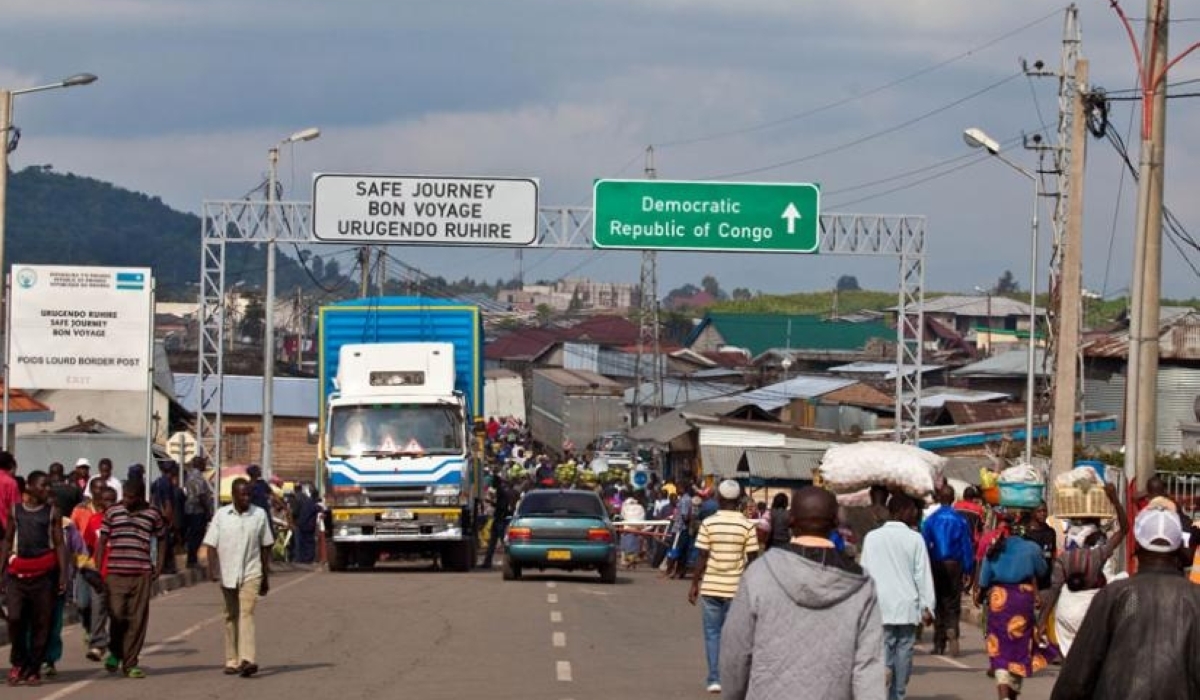
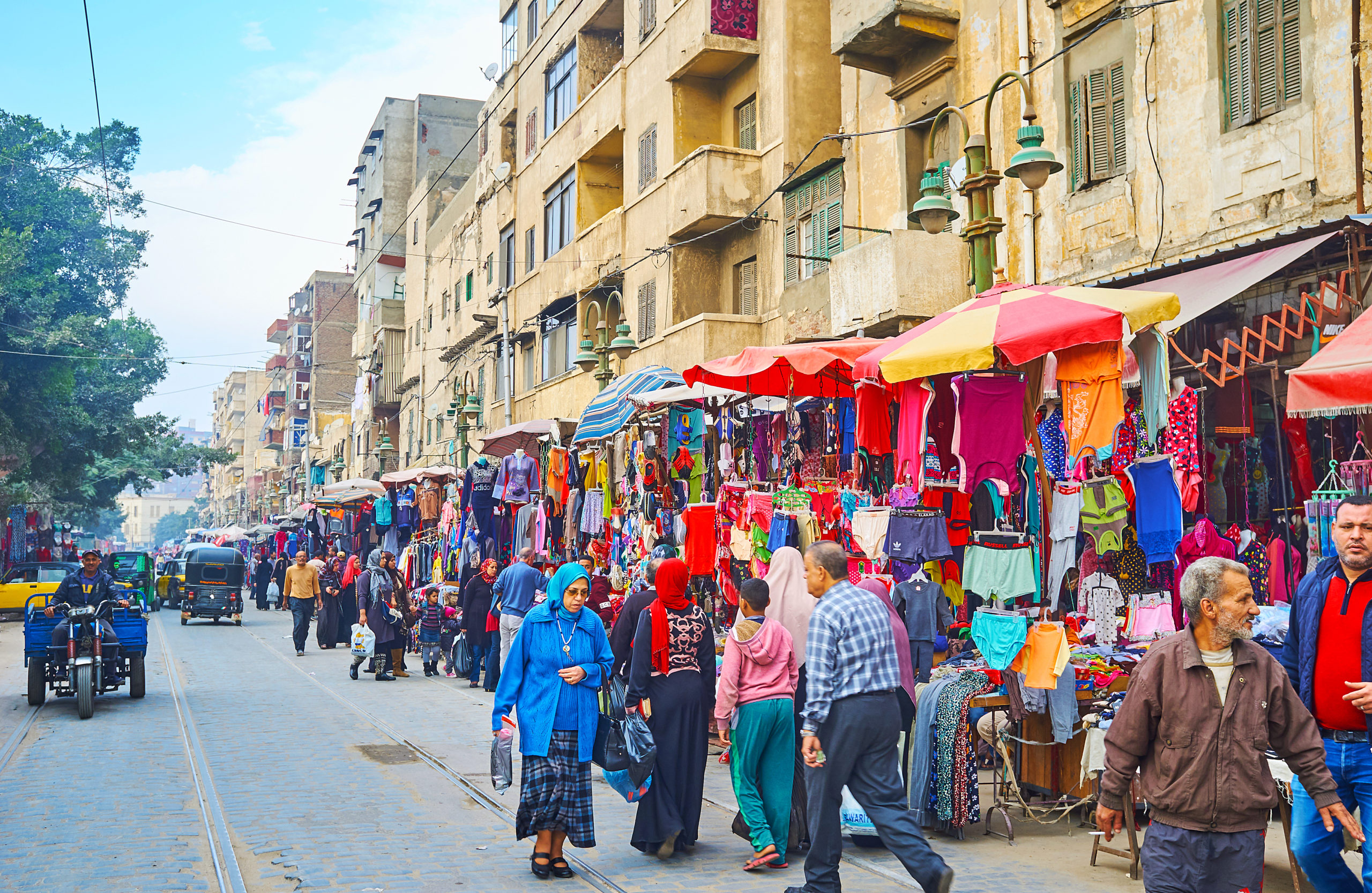
The untold realities of women cross-border traders

A diagnostic study on women cross-border traders between South Africa and Lesotho, Malawi and Mozambique​  Informal cross-border trade plays a significant economic role in the Southern African Development Community (SADC), making up an estimated 30-40% of total intra-regional trade. It is valued at an estimated USD (United States Dollar) 17.6

MSMEs, Ecosystems & Economic Opportunity

Innovating to improve MSME resilience in Uganda

As in many other developing countries, Ugandan MSMEs play a fundamental role in the economy – accounting for a substantial share of GDP, driving innovation, and employing a large part of the population. However, MSMEs face various risks that often hinder their development and growth.   MSMEs are underserved by insurance